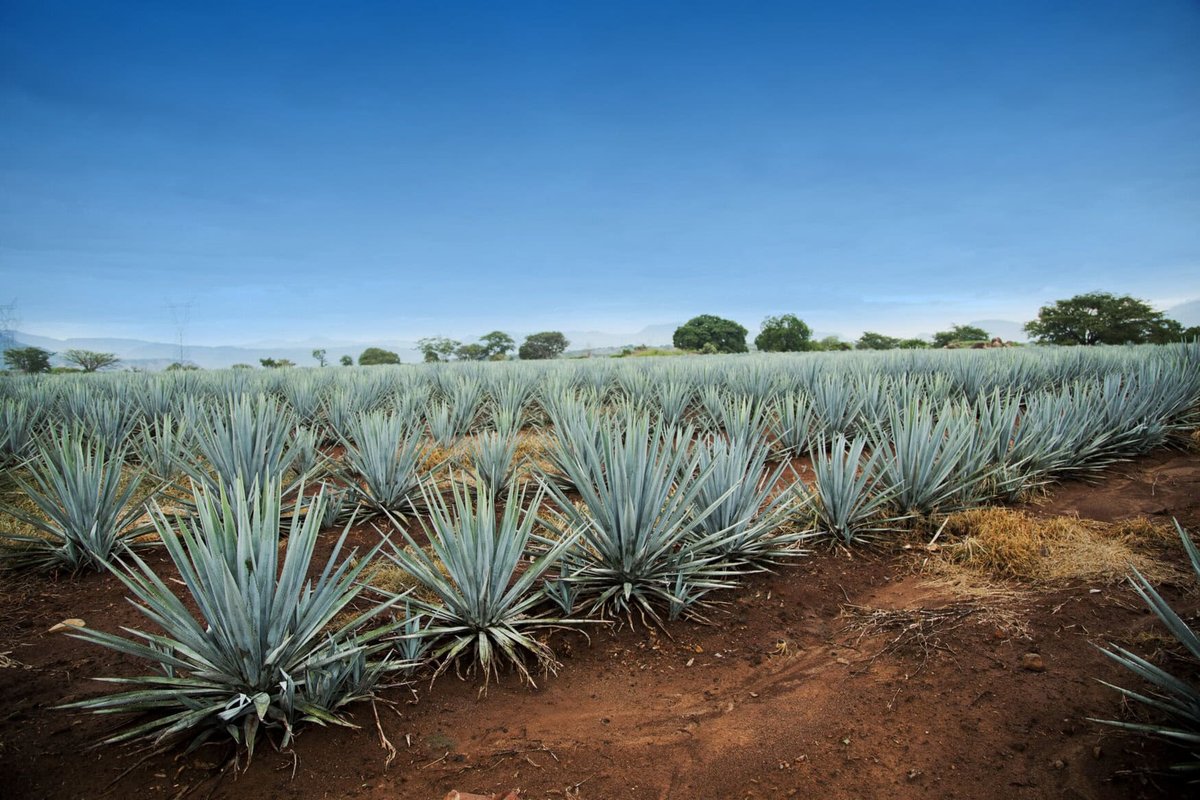
For millennia, in sun-drenched landscapes where water is a precious gift, a remarkable plant has anchored ecosystems and cultures. Agave, far more than just the source of popular spirits, embodies a profound legacy of resilience and stewardship. Engaging in Agave Cultivation: A Generational Art isn't just about growing a crop; it's about reconnecting with ancient wisdom, fostering biodiversity, and building sustainable futures in the face of climate change.
This isn't a simple farming guide. It's an exploration into a living art form, where every planting, every harvest, and every careful interaction with the land draws upon thousands of years of Indigenous knowledge and cutting-edge regenerative science. It’s about understanding a plant that thrives where others wither, offering solutions for our planet’s most pressing environmental challenges.
At a Glance: What You'll Discover About Agave Cultivation
- Ancient Roots, Modern Relevance: How agave, cultivated for millennia, is a crucial player in climate resilience today.
- Beyond Tequila: The diverse uses of agave, from food and fiber to a lifeline for endangered pollinators.
- The Power of Indigenous Wisdom: Integrating traditional water harvesting and land stewardship into modern farming.
- Chelenzo Farms: A Living Laboratory: A deep dive into a New Mexico farm pioneering regenerative agave cultivation in a desert.
- Building Healthy Ecosystems: Techniques like Johnson-Su bioreactors and thoughtful quiote management for soil health and biodiversity.
- Community and Collaboration: The vital role of education, volunteers, and grants in fostering sustainable agriculture.
The Agave: A Sentinel of Resilience in a Changing Climate
Imagine a plant that not only survives but thrives in arid, challenging environments, silently storing water and energy where little else can. That's the agave, a genus boasting over 200 varieties, 75% of which have been meticulously cultivated in Mexico for thousands of years. These majestic succulents are true drought-resistant champions, thanks to a unique biological trick: crassulacean acid metabolism (CAM).
Unlike most plants that open their stomata (tiny pores) during the day to absorb carbon dioxide, agaves perform this crucial exchange at night. This adaptation dramatically reduces water loss through evapotranspiration, allowing them to store precious rainwater and flourish in conditions that would devastate conventional crops. For agricultural producers facing a future of increased drought and water scarcity, this resilience makes agave an indispensable ally. In places like New Mexico, currently grappling with a punishing 23-year drought, the ability of plants to conserve water is not just beneficial—it's critical for survival and sustainability.
Beyond the Bottle: Agave's Multifaceted Legacy
While many recognize agave as the source of iconic spirits like tequila, its utility stretches far beyond the bar. Indigenous communities have long harnessed agave for a multitude of purposes: its fibers for textiles, its sap for fermented drinks like pulque, and its rich sugars for food. Even its fermented pulp can provide nutritious livestock feed. This versatility underscores agave's potential as a truly multi-purpose crop, offering economic opportunities alongside ecological benefits.
Crucially, agave plays a vital role in supporting delicate desert ecosystems. Its towering quiotes (flower stalks) produce nectar that sustains an array of pollinators, including hummingbirds, bees, wasps, and hawkmoths. Most famously, the endangered Mexican long-nosed bat (Leptonycteris nivalis) relies heavily on agave nectar during its long migratory journeys across the Southwest and the Chihuahuan and Sonoran deserts. Protecting agave means protecting these crucial species, which in turn ensures the health of other ecosystems. Want to learn more about how agave contributes to spirits? Check out Our 3 Generations Tequila Guide for an in-depth look at its most famous distilled product.
Reclaiming Ancient Wisdom: Indigenous Roots of Sustainable Agave Farming
The current environmental crisis demands a radical shift in our agricultural practices. Industrial agriculture, with its reliance on monoculture and synthetic inputs, has degraded soils, diminished biodiversity, harmed beneficial microorganisms, and reduced water retention. The solution, in many cases, lies not in inventing entirely new systems, but in looking back—integrating the time-tested techniques and profound ecological knowledge of Indigenous peoples.
Many native plants, including agave, are not only drought-resistant but also hold immense cultural significance for Indigenous groups who have cultivated them sustainably for centuries. Traditional water harvesting structures, such as one-rock dams, have been used for millennia to capture and conserve water in arid lands, proving their effectiveness through generations. Embracing these methods offers a pathway to making contemporary farming more sustainable, resilient, and in harmony with natural cycles. This approach is more than just farming; it’s a commitment to ecological and cultural restoration.
Chelenzo Farms: A Regenerative Blueprint for Agave Cultivation
Nestled twenty miles south of Santa Fe, New Mexico, at nearly 6,000 feet, Chelenzo Farms stands as a shining example of this integrative approach. This regenerative farm operates on the principles of research, education, and community, applying permaculture, soil health, and agroecology to cultivate agave and other native plants. In a region where water scarcity is a daily reality, Chelenzo Farms demonstrates how innovative, Indigenous-inspired methods can create thriving, productive ecosystems.
Dryland Farming in the Desert: Making Every Drop Count
Chelenzo Farms practices dryland farming, a method that relies solely on natural rainfall without irrigation. In a desert environment, this requires cultivating plants that are inherently drought-resistant, like agave, cholla, cacti, yucca, and desert spoon. Their regenerative practices are meticulously designed to improve soil health, boost plant diversity, restore pollinator populations, and conserve every drop of water. This means a strict no-chemical policy—no herbicides, no synthetic fertilizers. Instead, they implement Indigenous-inspired water-harvesting earthworks, turning the landscape into a living sponge.
Nourishing Soil, Nurturing Life: The Johnson-Su Bioreactor Method
The foundation of regenerative agriculture is healthy soil, teeming with life. Chelenzo Farms understands this deeply, eschewing chemical fertilizers for natural amendments like inoculants and their star player: Johnson-Su bioreactor compost.
These innovative cylindrical structures are used to create a uniquely rich compost by aerating and slowly decomposing organic materials like produce, horse and chicken manure, goat bedding, and hay. The process is lengthy, taking 12-18 months, but the result is a fungal-rich biomass teeming with beneficial bacteria and microorganisms—a living soil amendment. When planting succulents, Chelenzo Farms applies half a cup of a 1:9 Johnson-Su compost to water mixture into each hole, giving new plants an incredible microbial boost and setting them up for robust growth without chemical reliance.
Water Harvesting: Earthworks as Lifelines
In a high-desert environment facing a multi-decade drought, water harvesting isn't just a good idea—it's essential for survival. Chelenzo Farms actively designs and builds water-harvesting earthworks inspired by ancient Indigenous techniques. These structures, ranging from contoured swales to small one-rock dams, slow down, spread, and sink rainwater into the landscape. This dramatically increases soil moisture, allowing plants to access water long after a rain event, transforming parched earth into productive ground. These earthworks are a testament to how human ingenuity, aligned with natural principles, can restore ecological function and increase agricultural resilience.
Protecting Pollinators: A Commitment to Biodiversity
Agaves are monocarpic, meaning they flower once, often after many years, and then die. In traditional practices aimed at maximizing the piña (the agave heart used for distillation), the quiote (the tall central flower stalk) is often cut before flowering. While this diverts energy to the piña, making it larger, it also drastically reduces the flowering agave available for pollinators.
Chelenzo Farms takes a different approach, committing to allow at least half of its agave plants to flower. This intentional decision prioritizes supporting vital pollinators like the Mexican long-nosed bat, ensuring their food sources are abundant. It’s a deliberate choice to balance agricultural production with ecological stewardship, recognizing that a healthy ecosystem is the ultimate foundation for sustainable farming.
The Community Harvest: Cultivating Knowledge and Connections
Chelenzo Farms isn't just growing plants; it's cultivating a community. Their operating principle of "education" is woven into every aspect of their work, transforming the farm into a vibrant learning hub.
Workshops & Education: Growing Farmers, Not Just Crops
The farm actively engages the community through a diverse array of educational workshops. Participants can learn practical skills in regenerative farming principles, how to build water harvesting earthworks, the intricacies of Johnson-Su bioreactor construction, and the fundamentals of soil health. These hands-on experiences empower individuals to apply sustainable practices in their own lives and communities.
In June 2023, for instance, an "Agave Planting Party" saw enthusiastic volunteers plant 460 succulents, including 300 agaves. This event, partly funded by the New Mexico Department of Agriculture and USDA, wasn't just about getting plants in the ground; it was a celebration and practical application of the Indigenous practice of community land work, reinforcing social bonds and shared responsibility for the land.
Art, Culture, and Agriculture: A Unified Vision
Beyond the practical, Chelenzo Farms understands the profound connection between culture, art, and agriculture. The farm features stunning murals sponsored by the Endangered Species Coalition. These artworks, depicting Aztec deities alongside endangered species, serve as powerful symbols of the integration of advanced soil science with ancient Indigenous agricultural art. They visually articulate the farm's holistic philosophy: that humanity, culture, and nature are intrinsically linked.
Volunteer Power: WWOOFers and Local Engagement
The dedication of volunteers is crucial to Chelenzo Farms' success. From local workshop participants to WWOOFers (World Wide Opportunities on Organic Farms), these partnerships provide essential labor and foster a global learning exchange. WWOOFers, in exchange for meals and lodging, dedicate approximately 25 hours per week to the farm, gaining invaluable hands-on experience in regenerative and organic farming techniques. This exchange of knowledge and labor strengthens the movement towards sustainable agriculture, one individual at a time.
Fueling the Future: Grants and Funding for Regenerative Agriculture
Regenerative agriculture projects, especially those focused on long-term ecological restoration, often require significant upfront investment and ongoing support. Grants are vital for these initiatives, and Chelenzo Farms has successfully leveraged them to expand its impact.
For example, a SARE (Sustainable Agriculture Research and Education) grant played a crucial role in partially funding the aforementioned Agave Planting Party. This particular SARE grant will enable Chelenzo Farms to develop a permaculture food forest, build more extensive water harvesting structures, and educate producers through conferences and even a radio talk show. Western SARE grants, specifically, are designed to support research and outreach efforts for farmers, ranchers, and scientists, fostering innovation and dissemination of sustainable practices.
However, the grant application process can be challenging, demanding detailed project descriptions, clear intended outcomes, and supporting research. To aid producers, technical assistance programs, including tutorials, webinars, and workshops, are available from resources like the Western SARE website and the National Institute of Food and Agriculture. These resources are invaluable for equipping farmers with the skills to secure funding and bring their regenerative visions to life.
Shifting Paradigms: Why Regenerative Agave Cultivation Matters for Everyone
The challenges facing our planet—climate change, water scarcity, biodiversity loss, and food insecurity—are immense. Industrial agricultural practices have contributed significantly to these problems by degrading soils, reducing plant diversity, harming beneficial microorganisms, and decreasing water retention. But the story doesn't have to end there.
Agave cultivation, especially when guided by regenerative, Indigenous-inspired methods, offers a powerful alternative. By choosing drought-resistant plants, restoring soil health, actively conserving water, and prioritizing pollinator habitats, we can create agricultural systems that are not only productive but also restorative. These practices are not just about growing food; they are about healing the land, supporting vital ecosystems, and building resilience in the face of an uncertain future. They offer a tangible path towards greater food security, climate adaptation, and environmental regeneration for communities worldwide.
Your Role in the Agave Revolution: Steps Towards a Sustainable Future
The generational art of agave cultivation is a powerful example of how we can farm in harmony with nature, drawing on ancient wisdom to address modern challenges. But this isn't just about what farmers like Chelenzo are doing; it's about what you can learn, advocate for, and support.
- Educate Yourself: Dive deeper into permaculture, regenerative agriculture, and Indigenous land stewardship. Seek out local workshops, books, and online resources. Understanding these principles is the first step toward promoting them.
- Support Regenerative Farms: Look for producers who explicitly practice regenerative methods. Your purchasing power can directly support farms committed to soil health, biodiversity, and water conservation. Ask your local farmers about their practices!
- Advocate for Policy Changes: Support policies and grant programs that prioritize sustainable agriculture, water conservation, and the integration of traditional ecological knowledge.
- Consider Drought-Resistant Landscaping: If you live in an arid region, explore cultivating native, drought-resistant plants like agaves, cacti, and yucca in your own garden. This conserves water and provides habitat for local pollinators.
- Volunteer and Connect: Seek out opportunities to volunteer at local regenerative farms or community gardens. Hands-on experience is invaluable, and connecting with others passionate about sustainable practices can spark new ideas and collaborations.
The journey of agave, from ancient fields to modern regenerative farms, tells a story of survival, adaptation, and profound connection to the land. By embracing this generational art, we don't just cultivate a plant; we cultivate hope for a more sustainable, resilient, and beautiful future.