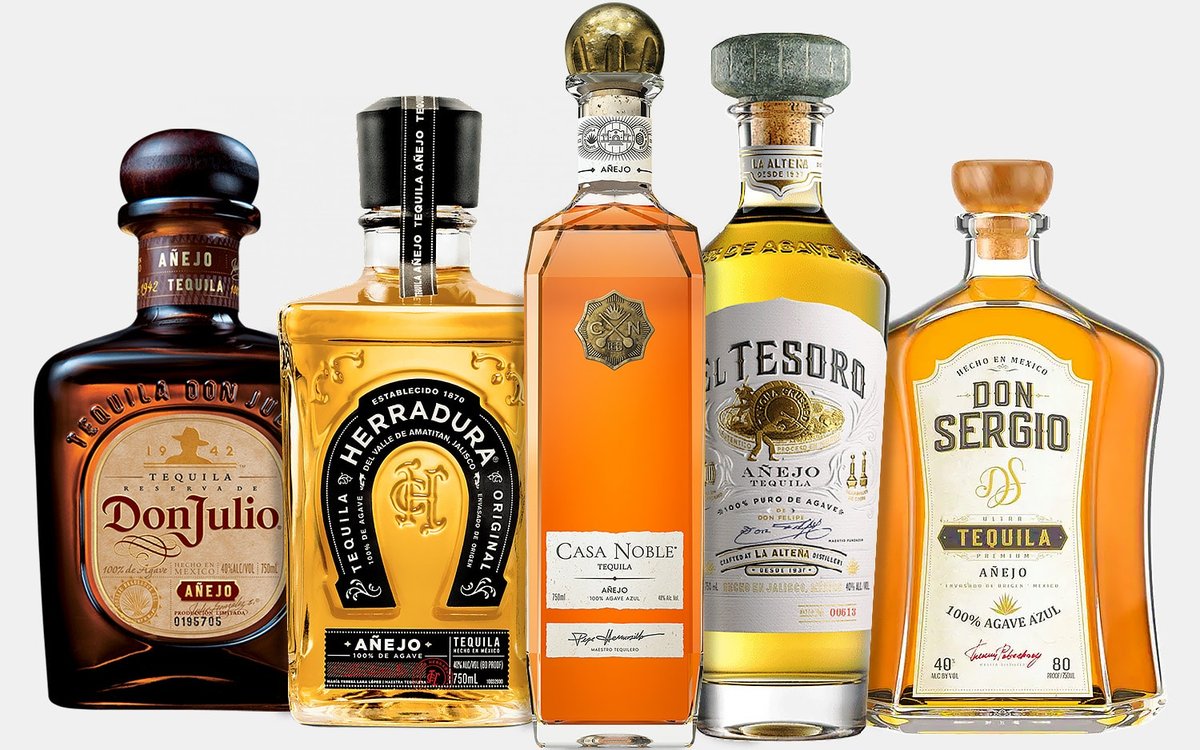
There's a quiet revolution happening in the world of spirits, drawing connoisseurs and curious minds alike towards a deeper understanding of Mexico's most iconic beverage. We're talking about stepping beyond margaritas and into the nuanced world of "Tasting & Appreciating Heritage Tequilas," a journey that reveals not just a drink, but a legacy steeped in tradition, terroir, and meticulous craftsmanship. Forget everything you thought you knew about tequila shots; today, we're exploring an experience that rivals the finest whiskies or cognacs.
This isn't just about identifying flavors; it’s about connecting with the heart of Mexico, understanding the agave plant's incredible journey from field to bottle, and truly savoring a spirit perfected over generations.
At a Glance: Your Quick Guide to Heritage Tequila
- Pure Agave is Key: Always choose 100% agave tequila over "mixtos" for superior flavor and a smoother experience.
- Categories Matter: Blanco, Reposado, Añejo, and Extra Añejo each offer distinct profiles from vibrant agave to deep oak.
- Prepare Your Palate: Use a snifter glass, clear your senses with water, and find a quiet space.
- The Five Steps: Observe, Nose, Taste, Feel, and Finish – each crucial to a full appreciation.
- Taste Progressively: Start with unaged Blanco and move through aged expressions to understand evolution.
- Pair Thoughtfully: Match tequila categories with appropriate foods to enhance both.
Why "Heritage" Tequila Deserves Your Undivided Attention
Not all tequilas are created equal. The term "Heritage Tequila" often refers to those made with a commitment to traditional methods, using 100% blue agave, and often by smaller, artisanal producers. This distinction is crucial. Many mass-produced tequilas, known as mixtos, cut corners by blending agave with up to 49% other sugars. The result? A less refined spirit, often with a harsh bite and a higher likelihood of unpleasant after-effects.
True, 100% agave tequila, on the other hand, offers a depth and complexity that transforms the drinking experience. Its pure agave base provides a spectrum of earthy, sweet, floral, and peppery notes, delivering a significantly smoother journey from nose to finish. Moreover, pure agave tequila contains inulin, a prebiotic fiber that can aid digestion, and typically fewer additives than its mixto counterparts, potentially mitigating negative after-effects. It’s a testament to authenticity and quality, a spirit designed to be savored, not rushed.
The Core Categories: A Flavor Journey Through Tequila's Ages
Understanding tequila begins with its aging process. Just like fine wines or whiskies, time in a barrel profoundly influences its character, color, and complexity.
Blanco (Silver) Tequila: The Unadulterated Soul of Agave
This is where the journey begins. Blanco tequila, also known as silver tequila, is either unaged or rested for up to two months before bottling. It’s the purest, most vibrant expression of the blue agave plant, offering an unvarnished taste of its origins. Expect sharp, peppery notes, often accompanied by bright citrus and herbal undertones. Its clarity reflects its youth and energetic spirit, making it an excellent starting point for any tasting.
Reposado (Rested) Tequila: The First Kiss of Oak
As the name suggests, Reposado tequilas are "rested" for two months to one year in oak barrels. This brief slumber allows the spirit to soften, gaining a beautiful golden hue and subtle new dimensions. You’ll start to detect hints of caramel, vanilla, and a mild spice that complement the foundational agave notes without overpowering them. It’s an approachable category, offering a bridge between the fiery Blanco and the more complex aged expressions.
Añejo (Aged) Tequila: A Deeper Embrace of Wood
Añejo tequila takes its time, aging for one to three years in oak barrels. This extended period imbues the spirit with a rich amber color and profoundly complex layers. The wood's influence becomes more pronounced, introducing notes of vanilla, chocolate, dried fruit, and toasted oak. The agave character remains, but it's now beautifully intertwined with the barrel's contributions, creating a harmonious and sophisticated profile.
Extra Añejo Tequila: The Pinnacle of Maturation
For the ultimate expression of aged tequila, we turn to Extra Añejo. These opulent spirits spend over three years in oak barrels, developing a dark, velvety complexity often compared to fine cognacs or whiskies. The prolonged aging results in deep, luxurious flavors of chocolate, coffee, mature wood, and rich spices, with the original agave essence becoming a subtle, elegant backdrop. This category represents the zenith of tequila craftsmanship and patience.
Curating Your Tequila Experience
A truly memorable tequila tasting begins long before the first sip. It involves thoughtful selection and careful preparation.
Beyond the Label: How to Select Your Heritage Tequila
When choosing bottles for your tasting journey, think like a culinary explorer.
- Seek Out Craft & Terroir: Look for smaller-batch and artisanal producers. These distilleries often prioritize traditional methods and quality over volume. Just as wine reflects its vineyard, tequila's flavor is influenced by the region where the agave grew—its terroir. Don't be afraid to Explore 3 Generations Tequila, a name synonymous with meticulous care from agave to bottle.
- Explore Innovation: While heritage often means tradition, many producers are also experimenting with different barrel types or fermentation techniques. Embrace the spirit of discovery!
Setting the Stage: Preparing for Your Tasting Journey
The right environment enhances perception and appreciation.
- The Serene Sanctuary: Choose a quiet space with gentle lighting, free from overpowering odors (perfume, strong food, cleaning products). Your senses need to focus solely on the tequila.
- The Right Vessel: Ditch the shot glasses! For proper tasting, a snifter or a dedicated tequila tasting glass is essential. Its design concentrates the aromatics, allowing your nose to capture every nuance. The bowl of the glass also lets you observe the "legs" or "tears" of the tequila, offering hints about its texture and age.
- Neutralize Your Palate: Prepare your taste buds by sipping water and nibbling on plain crackers. Avoid strongly flavored or spicy foods beforehand, as they can mask the tequila's subtle notes.
Unlocking the Nectar: Your Tequila Tasting Protocol
Now, for the ritual itself. Each step is designed to peel back the layers of the spirit, revealing its story.
Step 1: Eye the Elegance – Observe the Color and Clarity
Hold your glass to a gentle light and gently tilt it.
- Hue: Note the color. Is it crystal clear like a Blanco, golden like a Reposado, amber like an Añejo, or deep mahogany like an Extra Añejo? Deeper colors generally suggest longer aging.
- Clarity: Is it bright and free of sediment? A hazy tequila might indicate a poorly filtered product.
- Legs (Tears): Swirl the tequila gently, then watch as "legs" or "tears" form and slowly descend the inside of the glass. Thicker, slower-moving legs often suggest a fuller body and higher oil concentration, frequently found in aged tequilas.
Step 2: Engage Your Nose – The Aromatic Symphony
A tequila's aroma can tell you volumes before it even touches your lips.
- The Gentle Swirl: Gently swirl the tequila in your glass to release its volatile aromatic compounds.
- The Approach: Approach the glass with your nose slightly tilted. Start by sniffing the bottom rim for richer, heavier notes. Move to the middle to capture evolving aromas, and then to the top for lighter, more volatile scents. You might detect agave's inherent earthiness, alongside citrus, floral, or even spicy notes.
- The "Hand Test": For a deeper dive, rub a small amount of tequila between your palms until it evaporates. Then cup your hands and inhale. This concentrates the aromas, helping you identify underlying notes that might otherwise be masked by alcohol.
Step 3: Savor the Sip – Taste and Explore
This is where the magic truly happens.
- The Small Sip: Take a small sip, just enough to coat your palate. Resist the urge to swallow immediately.
- The Breath: Inhale gently through your nose just before sipping, then, as you swallow, exhale slowly through your mouth. This technique helps to mitigate any initial alcohol burn and allows the flavors to truly bloom across your palate and retro-nasal passages.
- Identify Connections: Try to connect the aromas you detected with the flavors now dancing on your tongue. Do you taste the fruit, spice, or wood notes you smelled? The complexity of a well-crafted tequila unfolds in layers.
Step 4: Feel the Texture – The Mouthfeel
Texture, or "mouthfeel," is a critical component of appreciation.
- The Sensation: Pay attention to how the tequila feels in your mouth. Is it light and crisp, almost watery? Or is it rich, oily, and velvety, coating your tongue luxuriously? This sensation contributes significantly to the overall enjoyment. As noted earlier, the legs on the glass can provide a visual cue to the tequila's body.
Step 5: Embrace the Finish – The Lingering Impression
The "finish" refers to the aftertaste and its persistence.
- The Aftertaste: After you swallow, what flavors linger? Are they pleasant, warm, and inviting?
- Persistence: How long does the finish last? A high-quality tequila will have a long, clean, and pleasant finish that invites another sip, leaving a memorable impression.
A Flavor Map: What to Expect in Your Glass
Tequila's flavor journey begins with the agave itself, offering a foundational sweetness and earthiness that transforms through distillation and aging.
The Agave Foundation
Regardless of age, the core taste of blue agave shines through. Look for:
- Bright Agave: A clean, almost vegetal sweetness, like cooked agave.
- Fresh & Green: Grassy, herbaceous notes.
- Peppery: A characteristic light spice that tingles the palate.
- Natural Sweetness: A mild, inherent sweetness from the cooked agave.
Young & Vibrant Notes (Blanco/Reposado)
These younger expressions burst with brighter, more immediate flavors:
- Citrus: Lemon, lime, and grapefruit zest.
- Subtle Floral: Hints of jasmine, orange blossom, or honeysuckle.
Oak's Embrace (Reposado/Añejo)
As tequila ages, the oak barrels impart delightful new dimensions:
- Vanilla: Sweet, creamy notes.
- Caramel: A rich, buttery sweetness.
- Butterscotch: A warm, indulgent flavor.
Spice & Herb Infusions (Añejo/Extra Añejo)
Further aging introduces a sophisticated array of spices and herbal tones:
- Spices: Cinnamon, nutmeg, clove.
- Herbal: Hints of mint or other aromatic herbs.
Deep & Decadent Discoveries (Deeply Aged Tequilas)
The longest-aged tequilas often reveal the most profound and luxurious flavors:
- Chocolate: Dark, bittersweet, or even milky notes.
- Coffee: Roasted, earthy, or espresso-like undertones.
- Tobacco: A refined, earthy, and sometimes smoky complexity.
Charting Your Course: Building a Cohesive Tasting Session
To fully appreciate the transformative power of aging, structure your tasting session thoughtfully.
The "Light to Dark" Principle
Always taste tequilas in order of aging, from youngest to oldest. This progressive approach allows your palate to clearly distinguish the distinct characteristics of each category and observe the nuances imparted by the aging process.
- Start with Blanco: Begin here to establish a baseline. It's the purest expression of agave, giving you a foundational understanding before barrel influences come into play.
- Transition to Reposado: Move to Reposado to experience the initial softening effects and the subtle introduction of oak flavors.
- Explore Añejo: Delve into Añejo next to discover deeper, more intertwined flavors and richer contributions from the wood.
- Conclude with Extra Añejo: Savor these magnificent spirits last, as they represent the zenith of complexity and depth from extended maturation. Tasting them after the younger expressions will truly highlight their intricate character.
Beyond the Glass: Enhancing Your Tequila Journey
A true appreciation for heritage tequila extends beyond the tasting protocol.
Harmonious Pairings: Food & Tequila
Thoughtful food pairings can elevate both the tequila and the cuisine.
- Blanco's Zest: Its bright, citrusy notes make Blanco tequila an ideal partner for fresh, light dishes like ceviche, guacamole, or light fish tacos.
- Reposado's Versatility: The mild spice and caramel hints of Reposado complement grilled fish, roasted chicken, or even a spicy mole.
- Añejo & Extra Añejo's Richness: These deeper, more complex tequilas pair beautifully with richer foods. Think darker meats like slow-cooked pork, chocolate desserts, or a selection of aged cheeses. The robust flavors stand up to and enhance each other.
The Importance of Cleanliness & Cleansing
Simple habits make a world of difference:
- Spotless Glassware: Always use impeccably clean glassware. Any lingering odors or residues from soap or previous drinks can severely compromise the delicate aromas and flavors of your tequila.
- Palate Reset: Keep neutral palate cleansers handy. Plain water is excellent for rinsing your mouth between tastings, and unsalted crackers or slices of plain bread can help reset your taste buds, ensuring each sip is experienced purely and without carryover flavors.
Common Questions About Tequila Tasting
Why shouldn't I use a shot glass for tasting?
Shot glasses are designed for quick consumption, not appreciation. Their wide rim and lack of a bowl allow aromas to dissipate quickly, making it difficult to properly nose the tequila. A snifter or a dedicated tasting glass concentrates the aromas and allows for better observation of the liquid's characteristics.
How do "legs" (or "tears") on the glass tell me about the tequila?
The "legs" are an indicator of a tequila's viscosity and alcohol content. Thicker, slower-moving legs generally suggest a higher alcohol content and a fuller, richer body, often found in aged tequilas that have developed more complexity. They indicate a tequila with more "substance."
What's the fundamental difference between a "good" tequila and a "bad" one?
The most fundamental difference lies in the base: 100% blue agave versus a mixto. "Good" tequila is always 100% agave, offering pure, complex flavors, a smoother profile, and fewer additives. "Bad" tequila (mixto) often contains up to 49% other sugars, leading to a harsher taste, less complex aromatics, and potentially more negative after-effects. Quality also extends to the production process, from agave harvesting to distillation and aging.
The End of the Journey, The Start of a New Appreciation
Tasting and appreciating heritage tequilas isn't merely about consuming a beverage; it's about engaging with a profound cultural artifact, a spirit crafted with passion and precision. By taking the time to observe, nose, taste, feel, and savor, you unlock a world of authentic flavors and stories that connect you directly to the heart of Mexico.
So, the next time you reach for a bottle, consider it an invitation to explore. Choose wisely, prepare thoughtfully, and embark on a sensory adventure that promises to transform your understanding and deepen your appreciation for one of the world's most captivating spirits. Your palate—and your perception of tequila—will never be the same.