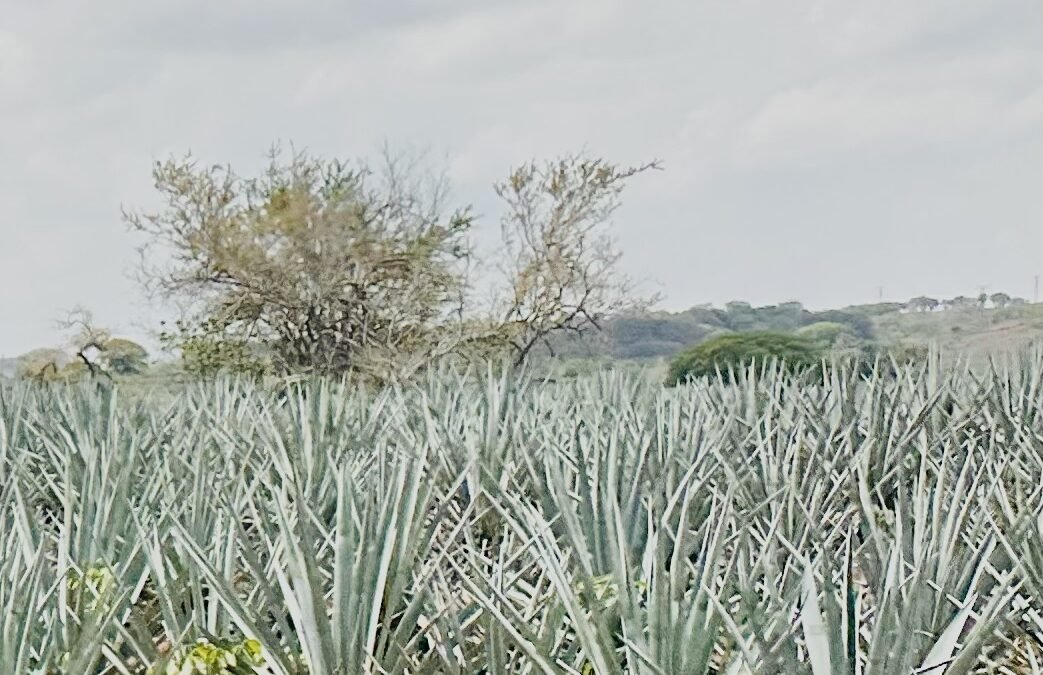
Tequila isn't just a spirit; it's a liquid tapestry woven from volcanic soil, ancestral hands, and a nation's heart. Understanding Tequila Terroir & Cultural Significance isn't about memorizing facts; it's about appreciating the profound connection between a plant, a people, and a profound sense of identity. From the sun-drenched fields of Jalisco to the celebratory toast, tequila embodies México itself.
At a Glance: What Makes Tequila México's Soul?
- Ancient Roots: Tequila's lineage begins with the Aztec's sacred pulque in Amatitán, Jalisco.
- Blue Agave's Reign: Made exclusively from Tequilana Weber Blue Agave, which thrives in Jalisco's volcanic soil.
- Spanish Infusion: Distillation techniques introduced by Spanish settlers transformed pulque into modern tequila.
- The Jimador's Legacy: Generations of agave farmers, or jimadores, are the guardians of traditional harvesting.
- Cultural Cornerstone: Tequila symbolizes Mexican identity, resilience, and is central to major life events and national holidays.
- Protected Heritage: The Tequila Appellation of Origin safeguards its authenticity, and the agave landscape is a UNESCO World Heritage site.
- Sustainable Future: Modern brands are embracing organic farming and additive-free production to preserve this legacy for generations.
The Land's Embrace: Where Terroir Gives Tequila Its Voice
To truly appreciate tequila, you must first understand the land from which it springs. This is where Tequila Terroir & Cultural Significance begins its journey—in the rugged, sun-baked landscape of Jalisco, México. Terroir is a French term often associated with wine, but it applies perfectly to tequila, encompassing all the environmental factors that influence the Tequilana Weber Blue Agave plant. This includes the soil, climate, topography, and even the local microorganisms.
Jalisco's unique volcanic soil, rich in minerals, provides the ideal foundation for the blue agave. These plants can take anywhere from six to ten years to mature, slowly absorbing the nuances of their environment. The elevation, the amount of rainfall, the intense sunlight—each plays a critical role in developing the complex sugars and distinct flavors within the agave's heart, or piña. Think of it as the ultimate slow food movement, dictated by nature itself.
The region around Amatitán, Jalisco, in particular, is considered the cradle of tequila. Here, the distinct characteristics of the land are passed directly into the agave, and eventually, into the glass. This inherent connection to place is what makes each sip a taste of México's very essence.
From Pulque to Pillar: Tequila's Ancestral Journey
The story of tequila is a remarkable blend of ancient wisdom and historical serendipity. Long before the Spanish arrived, the Aztecs, indigenous to the region, were cultivating agave. They fermented the agave sap to create pulque, a milky, sacred beverage central to their ceremonies and spiritual life. This wasn't just a drink; it was a connection to the gods, a symbol of life and fertility.
The pivotal moment in tequila's evolution arrived with the Spanish conquest. Bringing with them knowledge of distillation from Europe, the Spanish settlers encountered the agave plant and the Aztec's pulque. They began experimenting, using copper stills to transform the fermented agave into a more potent, distilled spirit. This fusion of indigenous agricultural expertise and European technology gave birth to what we now recognize as tequila.
The process involved roasting the agave piñas in traditional stone ovens, known as hornos, a method that slowly caramelizes the sugars, imparting deep, rich flavors. This initial distillation was a true act of culinary and cultural alchemy, taking a sacred plant and creating a new, distinctively Mexican spirit that would one day conquer the world. This deep history underlines how Tequila Terroir & Cultural Significance isn't a modern invention but a continuous evolution.
The Jimador's Art: Guardians of the Agave's Soul
At the very heart of tequila production lies the jimador. These skilled agave farmers are not just agricultural workers; they are custodians of a generational art form, embodying a profound respect for the plant and the land. A jimador's knowledge is passed down through families, learning to read the agave plant—knowing exactly when it's ripe for harvest, a skill that cannot be taught from a textbook.
Armed with a coa, a specialized sharp tool, the jimador meticulously trims the leaves from the mature agave, revealing the coveted piña. This isn't a brute force operation; it's a delicate dance, requiring precision and an intimate understanding of the plant's structure. A misstep can damage the piña and impact the final spirit's quality. This ancestral wisdom ensures that only the best, most mature agaves contribute to the tequila's unique character.
The role of the jimador perfectly illustrates how Tequila Terroir & Cultural Significance is deeply rooted in human endeavor and tradition. Their unwavering dedication ensures the sustainability of the agave fields and the authenticity of the tequila itself. It’s a labor of love, a heritage preserved with every expertly cut piña, ensuring that the spirit in your glass carries the legacy of centuries. You can truly Explore 3 Generations Tequila by understanding the invaluable role these skilled artisans play in the entire production process.
México in a Glass: Tequila's Cultural Heartbeat
Tequila is far more than an alcoholic beverage; it is a profound symbol of México. It embodies the nation's identity, its resilience, ingenuity, and vibrant spirit. This is where Tequila Terroir & Cultural Significance truly shines, reflecting the very soul of a people. Just as Champagne is to France or Sake is to Japan, tequila is inextricably linked to Mexican pride and heritage.
It’s woven into the fabric of Mexican social life, celebrating life's milestones and comforting in times of remembrance. Tequila is present at joyous weddings, at the blessing of a new birth, at lively religious festivities, and especially at national holidays like Día de la Independencia (Independence Day) and Día de los Muertos (Day of the Dead). The act of sharing tequila is a communal ritual—it fosters joy, strengthens bonds, and allows for both celebration and solemn reflection.
The breathtaking agave landscape in the region around Tequila, Jalisco, is a testament to this deep connection. Recognized as a UNESCO World Heritage site, it’s a living monument to the historical and cultural value of the agave plant and the industry it supports. This designation not only protects the landscape but also highlights the intrinsic link between the land, the plant, and Mexican identity.
Defining Authenticity: The Tequila Appellation of Origin
To safeguard its legacy and ensure its authenticity, tequila is protected by the Tequila Appellation of Origin (Denominación de Origen Tequila, or DOT). This legal framework dictates that true tequila must meet stringent requirements, most notably that it can only be made from 100% Tequilana Weber Blue Agave and produced in specific regions of México, primarily Jalisco, and limited areas in Guanajuato, Michoacán, Nayarit, and Tamaulipas.
This protection is crucial for consumers, ensuring that when you purchase a bottle labeled "tequila," you're getting a product that adheres to centuries of tradition and rigorous standards. It differentiates genuine tequila from other agave spirits, many of which are delicious in their own right but are not legally "tequila." The DOT ensures that the Tequila Terroir & Cultural Significance remains authentic and honored.
The production journey is a precise, multi-stage process:
- Harvesting: The jimadores carefully select and cut the mature piñas.
- Slow Roasting: The piñas are cooked in traditional ovens (hornos) or autoclaves to convert complex starches into fermentable sugars.
- Milling: The cooked agave is shredded or crushed to extract the sugary juice (mosto).
- Fermentation: Yeast is added to the mosto, converting sugars into alcohol.
- Distillation: The fermented liquid is distilled twice (or more, depending on the desired purity) to concentrate the alcohol and refine the spirit.
These steps, often guided by master distillers whose knowledge is also passed down through generations, are essential to crafting the distinct profiles of Blanco, Reposado, Añejo, and Extra Añejo tequilas. The dedication to these traditional methods is a key part of why you should Explore 3 Generations Tequila to fully grasp the commitment to quality.
Sustainable Sips: The Future of Tequila is in its Roots
In an increasingly conscious world, the future of tequila hinges on sustainable practices. The very essence of Tequila Terroir & Cultural Significance demands a commitment to preserving the land, the agave, and the communities that bring this spirit to life. This means looking beyond quick profits to long-term ecological and social responsibility.
Take Hermosa Organic Tequila, for instance, a brand recognized among the top 10 globally, embodying a forward-thinking approach rooted in tradition. Producing Blanco, Reposado, and Añejo variants, Hermosa cultivates 100% USDA Certified Organic blue agave on its single estate in Amatitán, Jalisco. Their philosophy is simple yet powerful:
- No Chemicals: Cultivation without herbicides or synthetic fertilizers, safeguarding the soil and surrounding ecosystems.
- Mexican Ownership: A commitment to keeping the heritage and economic benefits within México.
- Additive-Free: Ensuring the pure expression of the agave, free from artificial flavors or sweeteners that can mask true terroir.
- Reforestation Efforts: A collaboration with Trees for the Future, actively giving back to the environment by planting trees.
This approach demonstrates that it's possible to scale production while honoring the land. By focusing on preservation of the land, the agave, and the communities, brands like Hermosa are not just making tequila; they are actively shaping the future of this iconic spirit. This dedication ensures that the authenticTequila Terroir & Cultural Significancewill endure for generations to come, allowing enthusiasts to Explore 3 Generations Tequila that prioritize both quality and responsibility.
Beyond the Shot Glass: Appreciating Tequila's Depth
For many, tequila conjures images of salt, lime, and a quick shot. However, this ancient spirit offers a world of complexity that deserves a more thoughtful approach. Understanding Tequila Terroir & Cultural Significance truly enhances the tasting experience.
How to Taste Terroir: A Beginner's Guide
- Choose a Quality Tequila: Start with a 100% blue agave tequila, ideally a Blanco or Silver, to taste the purest expression of the plant and its terroir.
- Use the Right Glass: A tulip-shaped glass or a snifter (like those used for brandy) concentrates aromas better than a shot glass.
- Observe: Note the clarity and viscosity. Is it crystal clear, or does it have a golden hue from aging?
- Nose It: Swirl gently and take small sniffs. What aromas do you detect? Cooked agave, citrus, pepper, floral notes, earthy minerals, vanilla, caramel (from aging)? These are clues to its terroir and production.
- Sip Slowly: Take a small sip, let it coat your palate. Don't shoot it! Notice the initial taste, the mid-palate, and the finish. Is it sweet, peppery, spicy, smooth, or vegetal? Does it taste of the earth, the sun?
- Reflect: Consider the flavors and aromas together. Where do they take you? This mindful approach allows you to connect with the spirit's origins.
Spotting the Real Deal: What to Look For
- "100% Agave" or "100% Blue Agave": This is your primary indicator of quality. If it just says "Tequila," it might be a mixto, containing at least 51% agave sugars and up to 49% other sugars (like cane sugar).
- Nom (Norma Oficial Mexicana) Number: This four-digit number indicates the distillery where it was produced. You can look it up to verify its origin.
- Tequila Regulatory Council (CRT) Seal: This seal assures compliance with the DOT.
- Origin: Ensure it states "Made in México" and specifies the region within the DOT.
These details are not just bureaucratic; they are guarantees that the tequila you're enjoying honors its deepTequila Terroir & Cultural Significance. For those passionate about heritage, it's worth taking the time to Explore 3 Generations Tequila and their commitment to these markers of authenticity.
Common Questions and Misconceptions About Tequila
Is All Tequila Made in Jalisco?
While Jalisco is the heartland of tequila production and home to the vast majority of distilleries and agave fields, true tequila can also be produced in specific, legally defined areas in four other Mexican states: Guanajuato, Michoacán, Nayarit, and Tamaulipas. However, the Tequila Terroir & Cultural Significance is most deeply associated with Jalisco.
Does Tequila Have Worms?
Absolutely not. The "worm" (actually a larva) is found in some mezcal bottles, a different agave spirit, and was originally a marketing gimmick, not a sign of quality or authenticity. A genuine tequila will never have a worm.
What's the Difference Between Tequila and Mezcal?
Both are agave spirits, but the key differences lie in the type of agave used and the production process. Tequila must be made from Tequilana Weber Blue Agave only. Mezcal can be made from over 30 different varieties of agave, with Espadín being the most common. Mezcal also traditionally involves roasting agave piñas in underground pits, which imparts a distinctive smoky flavor not typically found in tequila.
Is Tequila Only Meant for Shots?
While popular, taking tequila as a shot often masks its nuanced flavors. High-quality tequilas, especially Blanco and Añejo expressions, are designed to be sipped and savored, much like a fine whiskey or cognac. This allows you to truly appreciate the Tequila Terroir & Cultural Significance in every drop.
Savoring the Legacy: A Call to Deeper Appreciation
The journey of tequila, from the sacred pulque of the Aztecs to the protected spirit enjoyed worldwide today, is a testament to the enduring power of land, culture, and human ingenuity. The Tequila Terroir & Cultural Significance is not a static concept; it's a living, breathing narrative embodied by the jimadores tending their fields, the master distillers refining their craft, and the countless celebrations where tequila flows freely.
As consumers, our role is to appreciate this profound legacy. By choosing 100% blue agave tequilas, understanding their origins, and savoring them mindfully, we contribute to the preservation of this extraordinary spirit. It’s an invitation to explore the rich tapestry of flavors, aromas, and stories that each bottle holds. When you raise a glass of tequila, you're not just enjoying a drink; you're participating in a cultural experience, honoring México's heart, and continuing a tradition that spans generations. It’s an opportunity to truly Explore 3 Generations Tequila of passion and dedication.